
TRANS Care
"When things change inside you, things change around you"
"Everyone you meet is fighting a battle you know nothing about, be kind. Always."

Be a Part Of
METTA Dāna Foundation: Beyond the Binary
Step into the future of inclusivity with our initiative, “TRANS CARE” We provide health education and grassroots-level screening for Transgender communities, ensuring that all individuals have access to the information and support they need to prioritize their health and well-being.
By training representatives within these communities, we ensure that everyone has access to the care and support they deserve, free from discrimination or stigma.

Ardhanariswar: A Symbol of Unity

Transforming Lives through holistic healthcare and community empowerment. At MDF, we believe that every individual deserves access to quality healthcare and the opportunity to lead a fulfilling life, free from the burdens of preventable diseases. We strive to create thriving communities built on knowledge, support, and well-being.
Focus Area

The MDF Transgender Health Consortium gathers faculty from a variety of disciplines, including medicine, medical family therapy, nutrition and dietetics, and gender affirming speech-language therapy.
The goals of the collaborative are to:
- Advance respectful, inclusive, and patient-centered care for the transgender community
- Promote research productivity related to transgender health.
- Train future health care professionals to be competent in gender-inclusive practices through clinical education
- Publish a magazine(quarterly/half -yearly) for the Transgender population on health and cultural activities
- Wish to onstruct a dedicated hospice / nursing facility to provide kindness, tenderness, dignity & warmth to those cold people who had been prejudiced and discriminated throughout the passage of time, at least before their earthly departure.
Our guiding principles include meaningful engagement with the transgender community; an interdisciplinary approach to research and clinical practice; partnership with on-campus and community-based organizations.
Preventive Care and Screening: Your first line of defense.

Preventive care and regular screenings are essential for good health. The transgender community faces unique health challenges, often exacerbated by significant stress levels. Conditions like cardiovascular disease, diabetes, and obesity can be further compounded by factors such as discrimination, social stigma, and limited access to healthcare. early detection of these issues can mean more successful treatment.
“Even after gender affirming surgery, any organ you have is one you should take care of”
Cancer Prevention
Cancer screening saves lives. With that in mind, it is imperative that anyone with a uterus, cervix, breasts or a prostate glands be offered regular preventive and diagnostic screening for those organs.
Cardiovascular Health and Stress
Chronic stress can contribute to high blood pressure, increased heart rate, and inflammation, all of which are risk factors for heart disease. It’s essential for transgender individuals to prioritize stress management techniques alongside regular check-ups and a healthy lifestyle.
Diabetes and Stress
Stress can impact blood sugar levels, making diabetes management more challenging. Prioritizing mental well-being and finding effective coping mechanisms can help mitigate the effects of stress on diabetes control.
Obesity and Stress
Stress can contribute to emotional eating and weight gain. Engaging in stress-reduction techniques and maintaining a balanced diet can help manage obesity and its associated health risks.
Bone Health
A bone density scan (also called a bone densitometry test, or DEXA) for all the patient 65 and older to screen for osteoporosis, a weakening of the bone that can result in debilitating fractures or falls. The scan is simple, painless x-ray.
Vaccination
Sexually Transmitted Infections (STIs):
Sexual health includes preventing STIs. Common STIs include syphilis, gonorrhea, chlamydia and others.
Aside from sexual abstinence, the best methods to avoid STIs are preventive medicines and vaccines and use of barrier methods such as external condoms, internal condoms or dental dams. Barrier methods play an enormous role in STI prevention, so it is important for transgender and gender-expansive people to feel empowered to make safe sex decisions.
In addition to barrier methods, additional prevention steps may help people avoid these STIs:
HPV: Vaccines may be recommended to people up to age 45.
Hepatitis A and hepatitis B: These liver diseases, which can be sexually transmitted, can be prevented with vaccines.
HIV and AIDS are concerns for anyone who is sexually active. Pre-exposure prophylaxis (PrEP) is a drug or drug combination that can minimize the risk of HIV transmission. Ask your primary care clinician if PrEP may be appropriate for you, or learn more about free PrEP services here or here.
A Transformative Experience: The Ardhanariswar Puja
Last Durga Puja, we had the incredible privilege of participating in a truly transformative experience: the Ardhanariswar Puja organized by the transgender community. This unique celebration of the divine feminine and masculine, embodied in a single form, resonated deeply with our commitment to inclusivity and gender equality.
Witnessing the community come together to honor their heritage and identity was an inspiring moment. It reaffirmed our belief in the power of unity and the importance of creating safe spaces for all.
We are committed to working alongside the transgender community to address their unique health challenges and support their aspirations. This experience has only strengthened our resolve to create a world where everyone, regardless of gender identity, can live with dignity and respect.



Dream project
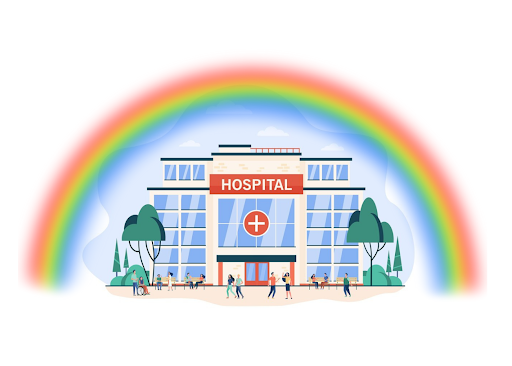
Hospital for & by Transgenders:
Like any other patients, transgender people need holistic, preventive primary care and deserve to get it in a supportive atmosphere from practitioners who earn their trust. Some transgender people may not consult health care services because they have had negative experiences with doctors in the past. For the best health possible, people should feel empowered to take an active role by:
- Raising concerns to practitioners if something doesn’t seem right.
- Asking questions if they are unsure about any information.
- Being forthcoming about any medications and past surgeries, as these may affect treatment plans and preventive care options.
Support TRANS Care: Envisage organizing exclusive Health Camps which will be effectively conducted by the volunteers from the Transgender community whom we will train to check on the basic hygiene of their peers, examine the vitals, create individual files of health records and conduct repeat follow up camps as and when necessary and refer them to our team when deemed appropriate for referrals – a self sustaining facility for society to help itself.