

Type 1 Heroes: The Light Of Hope
“We rise by lifting others"

Be a Part Of
A METTA Journey: Celebrating Life Across Life Stages
Our “Life Across Stages” journey brought together children with Type 1 Diabetes and seniors living in their second childhood.
This video captures their laughter, stories, and the beautiful bonds they built.
Watch how one day transformed two generations.
METTA DANA FOUNDATION: SUPPORTING LIVES WITH T1D
We are proud to share that our World Diabetes Day initiative has been recognised by the International Diabetes Federation (IDF) and featured on their global platform.
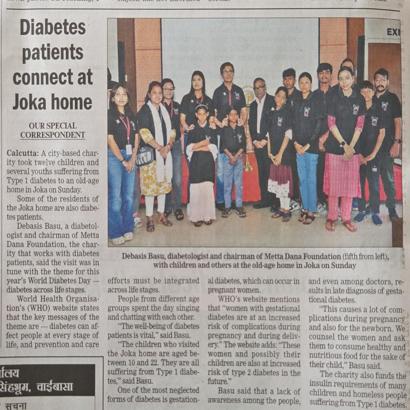
On the occasion of World Diabetes Day, METTA Dāna Foundation and Jagriti Dham hosted a unique intergenerational pop-up event that highlighted the full continuum of diabetes care—from sensitive, hands-on Type 1 Diabetes (T1D) support for children to empowering Type 2 care for seniors.
Our focus was simple yet powerful: awareness, access, education, and emotional well-being for every person living with diabetes.
In India, people with T1D continue to face barriers in insulin access, glucose monitoring, technology, and psychosocial support. At METTA, we remain committed to 24×7 holistic care—carb counting, glucose monitoring, insulin management, nutrition planning, and ensuring that breakthroughs in diabetes care are accessible to everyone, everywhere.
IDF’s recognition strengthens our mission to make sure that no person with diabetes is left behind, echoing the global theme of “Diabetes and Well-Being” (2024–2026).
Any genuine hard work doesn’t go unnoticed, and we are ineded so grateful to IDF for it’s appreciation and acknowledgement of our endeavour.
We invite you to read the IDF feature and join us in advocating for better diabetes care for all.
👉 Read the IDF Post Here:
Diabetes and well-being across generations


Be a Part Of
METTA DANA FOUNDATION: SUPPORTING LIVES WITH T1D
Diagnosis with diabetes can seem very negative at the very first glance, with lots of “don’t”s and “can’t”s and to be fair, healthcare providers and all the people who want to help do not keep a single stone unturned to make sure you keep yourself well and don’t do anything to make things worse.
Successfully managing type 1 diabetes(T1D) requires constant decision-making because so many factors impact a person’s blood sugar levels. Things such as when, what, and how much to eat and exercise, remembering to take medications and monitor blood sugars, and then what to do with the blood sugar results – all these activities also need to balance with work and family and must bring in fun and happiness; Here is METTACARE, a trusted friend who can assist all along – life long and to walk on “INSULIN” (IN a Straight Unbroken LINe) and who was would always care for every-one T1D and inspire to prosper well in life.
INSIDE OUT: TYPE 1 DIABETES
When you have type 1 diabetes, your immune system incorrectly targets the insulin-producing beta cells in your pancreas, treating them as foreign invaders and destroying them. Once a significant number of beta cells are destroyed, your pancreas produces no insulin or so little, necessitating insulin injections for survival.
Insulin is a hormone that allows glucose in your blood to enter your cells, where it’s used for energy. Without enough insulin, glucose accumulates in your bloodstream, causing high blood glucose levels (hyperglycemia). If left untreated, this can damage your body and lead to complications.
Type 1 diabetes is commonly diagnosed in youth but can appear at any age. The exact cause and prevention methods are still unknown.
With type 1 diabetes, a long, healthy life is achievable through a strong support system and effective management with your Wellness Pathfinder. The treatment plan you develop with your diabetes care team will include insulin, physical activity, and an eating plan to reach your health goals.
- Excessive thirst
- Frequent urination
- Weight loss
- Blurred vision
- Increased hunger
- Frequent skin, bladder or gum infections
- Irritability
- Tingling or numbness in hands or feet
- Slow to heal wounds
- Extreme unexplained fatigue
The cause of type 1 diabetes is still unknown, although many have speculated that it is a combination of genetic predisposition and environmental factors such as viruses that serve as the catalyst for the disease’s onset.
You can have type 1 diabetes at any point that your pancreas completely ceases to produce insulin to regulate glucose levels, although most people diagnosed with type 1 diabetes are usually children or young adults.
Unlike some people with type 2 diabetes who use insulin when diabetes pills have not been effective at regulating their glucose levels, people with type 1 can never use pills. The goal of insulin therapy is to mimic the way the pancreas would produce and distribute its own insulin if it were able to produce it.
One of the key factors in Joslin’s treatment of diabetes is tight blood glucose control, so be certain that your treatment helps get your blood glucose readings as close to normal as safely possible. Patients should discuss with their doctors what their target blood glucose range is. It is also important to determine what your goal is for A1C readings (a test that determines how well your diabetes is controlled over the past 2-3 months). By maintaining blood glucose in the desired range, you’ll likely avoid many of the complications some people with diabetes face.
Blood travels throughout your body, and when too much glucose (sugar) is present in it, it disrupts the normal environment that the organ systems of your body function within. In turn, your body starts to exhibit signs that things are not working properly inside—those are the symptoms of diabetes people experience. If this problem—caused by a variety of factors—is left untreated, it can lead to a number of damaging complications such as heart attacks, strokes, blindness, kidney failure, and blood vessel disease that may require an amputation, nerve damage, and impotence in men.
The good news is that prevention plays an important role in warding off these complications. By maintaining tight control of your blood glucose, you’ll help your body function as normally as possible. Tight control helps you decrease the chances that your body will experience complications from elevated glucose levels.
There is no way to prevent type 1 diabetes. Despite this fact, you can decrease the chances of diabetic complications by sticking to a diabetes care regimen that includes healthy A1C readings and tight glucose control.
LIVING WITH TYPE 1 DIABETES
Please Click Below to see the Cost Of Living With Type 1 Diabetes
Type 1 diabetes (T1D) remains underdiagnosed, particularly in developing countries like India, where data is scarce, where recent figures show over 250,000 cases, with around 100,000 children under 14. Every year, 25,000 new cases are diagnosed in those under 19.
Without much robust data available earlier on the prevalence and impact of the disease, government obviously could not prioritize funding for basic diagnostic or screening facilities in schools nor arrange an inventory for free or affordable life-sustaining supplies for increasing access to care.To achieve our goals as we contemplate to offer our best service to our T1D friends from all across, MDF promises to:
- PROVIDE free medical aid like insulin, strips, lancets, syringes, glucometers to the registered members of MDF(to start with) along with customised diet plans & social counselling during centre visits.
- MONITOR closely the child’s health on a regular basis by periodic home visits, school visits, clinic and centre visits and follow up calls on individualised 24×7 observational METTACARE scrutiny. Monitoring plays a key role in managing any of these chronic disorders that fall under the broad umbrella of Non Communicable Disease(NCD).
- EDUCATE and motivate the children and the eco-structure around them to deal with this disorder by conducting mentoring/motivational/diabetes educational sessions, spreading awareness and organizing various fun events.
We work closely with the main hospitals and the leading doctors in Kolkata and identify economically needy patients and enroll them in our program to offer them complete comprehensive care.
For teens and children with Type 1 diabetes, the diagnosis is often a confusing and scary experience. They might remember feeling sick, being rushed to the hospital, and waking up with a drip, surrounded by medical staff and worried parents. It can feel like a nightmare they want to forget.
However, Type 1 diabetes doesn’t go away. As they come to terms with this, they may feel frightened and upset, wishing things could go back to how they were before.
How to Support Children with Diabetes
After a Type 1 diabetes diagnosis, children need time to grieve and adjust, just like after any loss. This process varies for each child and depends on the support they receive. Let them grieve at their own pace.
To help, encourage open conversations with someone who listens and understands. Support from family and friends is crucial.
• Older Children and Teenagers: They might struggle to talk about their diabetes. They may prefer speaking with someone outside the family or keeping a journal to express their feelings.
• Young Children: They need comfort and reassurance. As they grow, especially when starting school, they may struggle with feeling different from other kids.
Tips for Teens and Older Children with Diabetes
• Respect: Treat your diabetes with respect and expect the same from others.
• Acknowledge: Recognize that diabetes is challenging but remind yourself of your strength.
• Accept: Find a way to live with diabetes without seeing it as the enemy.
• Relate: Think of diabetes like a difficult relative—sometimes easy, sometimes frustrating. Be kind to yourself; it’s okay to have good and bad days.
We understand that managing a child with diabetes at school can be challenging. It’s essential that they feel safe, and confident, and don’t miss out on any part of their education due to diabetes. That’s why we’ve created a variety of tools and resources to support you in this.
Diabetes and Its Impact on Learning
Diabetes can impact a child’s learning by affecting attention, memory, processing speed, and perceptual skills if not properly managed. Schools must support students with diabetes so they can fully participate in their education.
Some children with diabetes may have more absences due to hospital appointments or feeling unwell. It’s important not to penalize them for this. Parents should inform the school about their child’s diabetes, and schools should be flexible with their absence policies to ensure the child’s success.
Management in School: Staff Training
School staff needs to be trained in diabetes management to support students with Type 1 diabetes. At least two staff members should be fully trained to assist the child, while all staff should be aware of the child’s condition and know what to do in case of an emergency.
Schools should ensure there is always adequate support for students with diabetes, without relying on parents or carers to provide this assistance.
Diabetes Management in School: Risk Assessment
School staff should understand how a child’s diabetes might affect their participation in activities and ensure necessary adjustments are made for their safety.
It’s important to conduct a risk assessment to identify any changes needed in the child’s care beyond the normal school day. This should be done in advance with input from the child (if appropriate), their parents, and healthcare professionals.
The main risk is that the child could become unwell due to high or low blood sugar levels, so proper management is crucial.
Starting university is a big change, especially if it’s your first time living away from home. If you have type 1 diabetes, use our tips below to ensure your diabetes doesn’t prevent you from making the most of your university experience.
University Support for Students with Type 1 Diabetes
It’s crucial to inform your university that you have diabetes. They can assist with special arrangements in accommodations, exam requirements, and may even connect you with a diabetes support group on campus. They can help with any specific needs, like a fridge for insulin storage or advice on whether catered or self-catered halls would suit you better.
Remember, sharing your diabetes status with your university doesn’t define you; it ensures your safety and allows you to fully enjoy student life.
Eating Well at University
Starting university often means shopping and cooking for yourself for the first time. If your parents have handled your carb counting before, it’s normal to feel anxious. It takes time to get used to managing your sugar levels independently.
Here are some tips for eating well and tracking your carbs:
- Eat Balanced Meals: Combine pasta, potatoes, and bread with fruits, vegetables, and protein sources like dairy.
- Check Labels: Food packaging usually lists carb content. Keep a carb counting guide handy or bookmark a helpful website.
- Shop Online: Set up regular deliveries for essentials and establish a routine.
- Use Recipes: Follow our recipes or your favorite cookbooks.
- Dining Out: Look up the carb content of dishes online before eating out.
Sex, dating, and relationships can be challenging for everyone, and managing Type 1 diabetes adds its own concerns. We spoke with young adults who shared their experiences with diabetes-related issues, like handling hypos, dealing with insulin pump tangles, and adjusting plans to get insulin.
They also talked about how they manage diabetes day-to-day in their relationships and the importance of having a supportive partner through both the highs and lows of living with diabetes.
Telling Your Partner About Diabetes
It’s normal to feel anxious about sharing your diabetes with a new partner. There’s no perfect time to discuss it, but it’s important to explain what diabetes is, how you manage it, and what things like hypos are. You don’t need to go into extensive detail right away; it’s just another part of who you are that your partner will come to understand.
Sex and Diabetes
Sex can be a significant part of life, but it can feel awkward to discuss, especially if you face issues related to diabetes. Diabetes doesn’t automatically mean you’ll have sexual difficulties, and if you do, they might not be permanent. It’s important to address any worries or anxieties you have and seek support if needed.
We offer information on common sexual challenges related to diabetes and practical advice to help you manage and overcome these issues.
Whether going to the pub, enjoying a drink at home, dining out, or attending a festival, having a drink is a normal part of life. Having Type 1 diabetes doesn’t change that, but there are important considerations to remember when staying healthy.
Advice for Managing Diabetes When Drinking Alcohol
- Prepare: Have your diabetes kit and hypo treatments ready, and check your blood sugar before you start drinking.
- Monitor: Check your blood sugar levels regularly throughout the night.
- Inform Friends: Let new friends know you have diabetes and what to do if you have a hypo.
- Eat: Don’t drink on an empty stomach. Have carb-rich foods like a sandwich before heading out.
- Carry Snacks: Bring snacks with you and eat before going to bed.
- Choose Diet Mixers: Stick to diet mixers to help manage your blood sugar.
- Stay Active: Remember that dancing and walking can lower blood sugar levels.
- Hydrate: Drink plenty of water when you get home and check your blood sugar.
- Treat Hypos: Address any hypos before going to sleep.
Can Drinking Lead to a Hypo?
Yes, drinking alcohol can cause your blood sugar to drop too low, leading to a hypo, either while you’re drinking or the next day. This happens because alcohol can interfere with blood sugar management.
To help prevent hypos, consider eating carbs, choosing your drinks carefully, and monitoring your blood sugar levels.
After a Night Out and the Morning After
Always have breakfast if you’ve been drinking the night before, even if you don’t feel like it. This helps stabilize your blood sugar and can improve how you feel.
Check your blood sugar levels in the morning, as hangover symptoms can mimic those of a hypo.
Regardless of how you feel, treat a hypo immediately if you experience one. Don’t ignore it.
In some people with type 1 diabetes, a “honeymoon” phase may occur after starting insulin. During this time, your body might produce enough insulin to lower blood glucose levels, reducing the amount of insulin you need. This phase can last from a week to a year.
Despite feeling better, it’s crucial to continue working with your diabetes care team to manage your condition and avoid complications like hypoglycemia. Remember, the absence of symptoms doesn’t mean the diabetes is gone; eventually, the pancreas will stop producing enough insulin, and symptoms will return if untreated.
No matter how type 1 diabetes impacts your life, you can achieve success by balancing your medications with a consistent exercise routine and nutrition plan. Remember, support is always available from caregivers, family, and others living with type 1 diabetes. Reach out whenever you need help.